
02 · BATHROOM TILING
If your bathroom tiles are cracked, loose or ageing, or the grout has discoloured, the first job is to understand why. I’m Ivan Bodnar, an independent renovation specialist in Melbourne. Before I recommend what should go back on your walls and floor, I look at the surfaces behind the tiles.
Melbourne and surrounding suburbs · 9am–6pm, seven days

A tiled surface can look tired and still sit on a sound base. It can also look acceptable while the substrate behind it has started to deteriorate. Cracked tiles, hollow-sounding areas, lifting edges and grout that keeps breaking down are all worth investigating, but none of them confirms the cause on its own.
FOUR LAYERS I CHECK
01
This is what you see. I note any cracking, crazing, discolouration and missing or failing grout, and where the damage is concentrated.
02
Whether a tile is firmly bonded or sounds hollow says a lot about how it was laid and how it has aged.
03
Sheeting, render or screed has to be sound, flat and dry enough to tile over. If it has deteriorated, the scope changes.
04
WALL AND FLOOR TILING
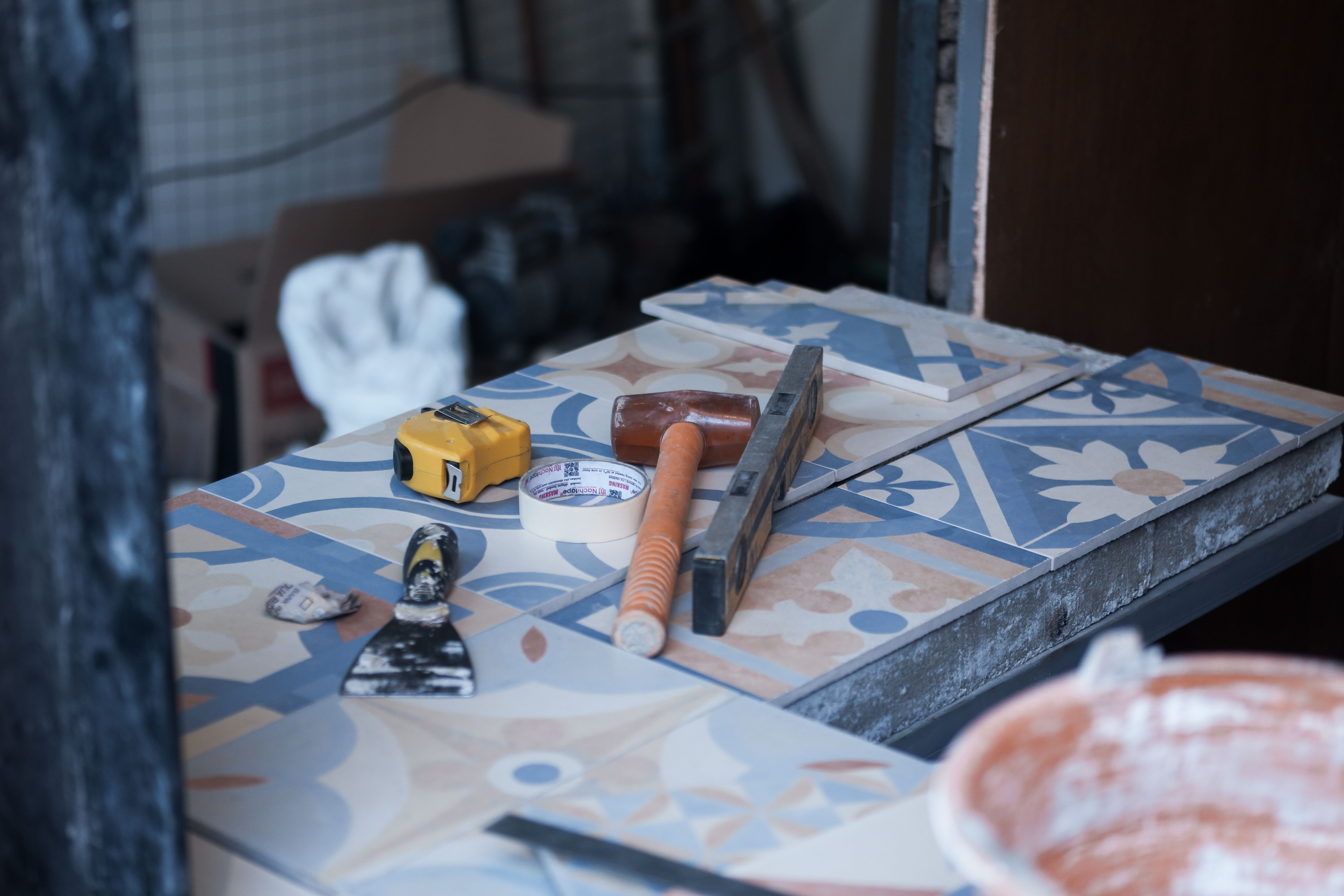
Once I understand the substrate, I prepare it properly before setting out the new tiles. Where needed, that means removing old tiles and adhesive and repairing or levelling the surface. I also plan the set-out so that cuts fall where they’re least noticeable around the shower, vanity and floor edges.
Walls and floors need the same discipline, but they face different demands. Floors take foot traffic and need suitable falls in wet areas. Walls need a stable, true surface so the tiles sit flat. I’ll talk you through tile size, finish and grout choices in practical terms, based on how your household uses the room every day.
You’re also welcome to call or text 0413 142 055, 9am–6pm, seven days.