
GUIDE · REPAIR OR RENOVATE
Not every tired bathroom needs to be stripped back to the frame. Some problems are local and can be repaired. Others point to conditions that run through the whole room. This guide covers the signs worth noting, why a site inspection usually gives the answer, and how the decision shapes scope and cost.
THE SHORT ANSWER
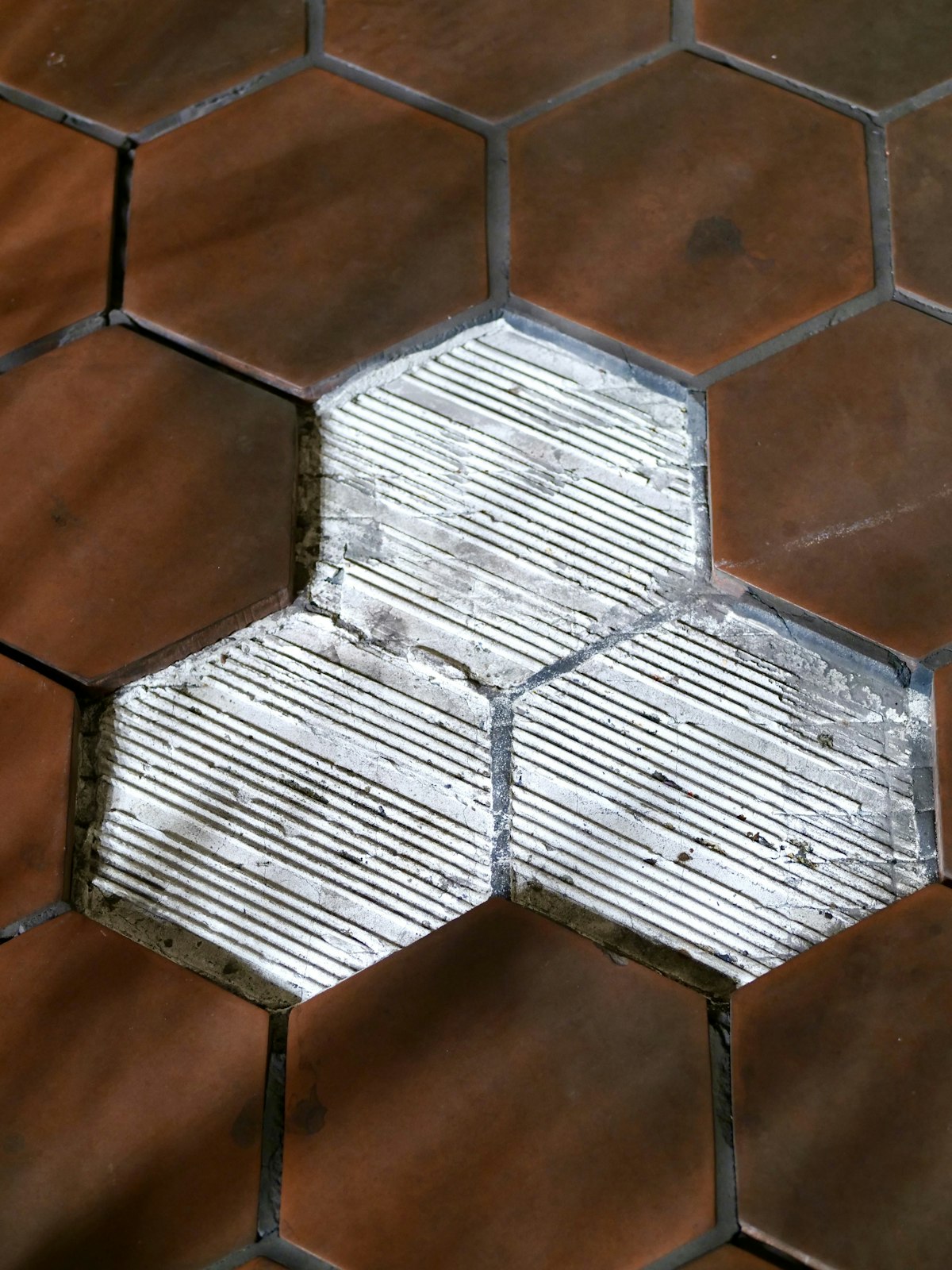
If a few tiles have cracked, the grout has worn or a vanity has water marks, the first thing I ask is whether the cause is contained. When the substrate behind the tiles is sound and the damage isn’t spreading, a targeted repair can be a reasonable choice. When problems show up in several places, or the surface underneath has deteriorated, patching one area often just moves the problem to the next one. That’s when a full renovation tends to make more sense.
SIGNS TO NOTE
No single sign decides it. What matters is the pattern, and whether the cause can be found.
01 Cracked or loose tiles. One or two cracked tiles can be an isolated knock. Several, especially around a shower or along a floor line, may point to movement or a failing substrate.
02 Worn or discoloured grout. This is often repairable on its own. Discolouration that keeps coming back in wet areas is worth investigating before you decide.
03 Water marks around a vanity or bath. These can be a surface issue, or a sign that moisture has reached the materials behind the finish.
04 Walls or floors that feel soft or uneven. These usually need a closer look at what’s underneath, and a surface repair is less likely to solve them.
05 Finishes that are dated rather than damaged. If the room is sound and the layout works, you may have more choice: refresh selected surfaces or renovate the whole room.
WHY INSPECTION DECIDES
Your photos and a short description help me understand the room before I visit. They can’t show me how firm the floor is, whether tiles sound hollow, or what the walls are like around the wet areas. Visible finishes don’t tell you everything about the condition of a room.
At a site inspection I look at the existing bathroom conditions in person. Then I explain what I can assess, what work I recommend and where uncertainty remains. Some things can only be confirmed once the existing finishes come off, and if that’s the case I’ll tell you plainly rather than guess.
SCOPE & COST
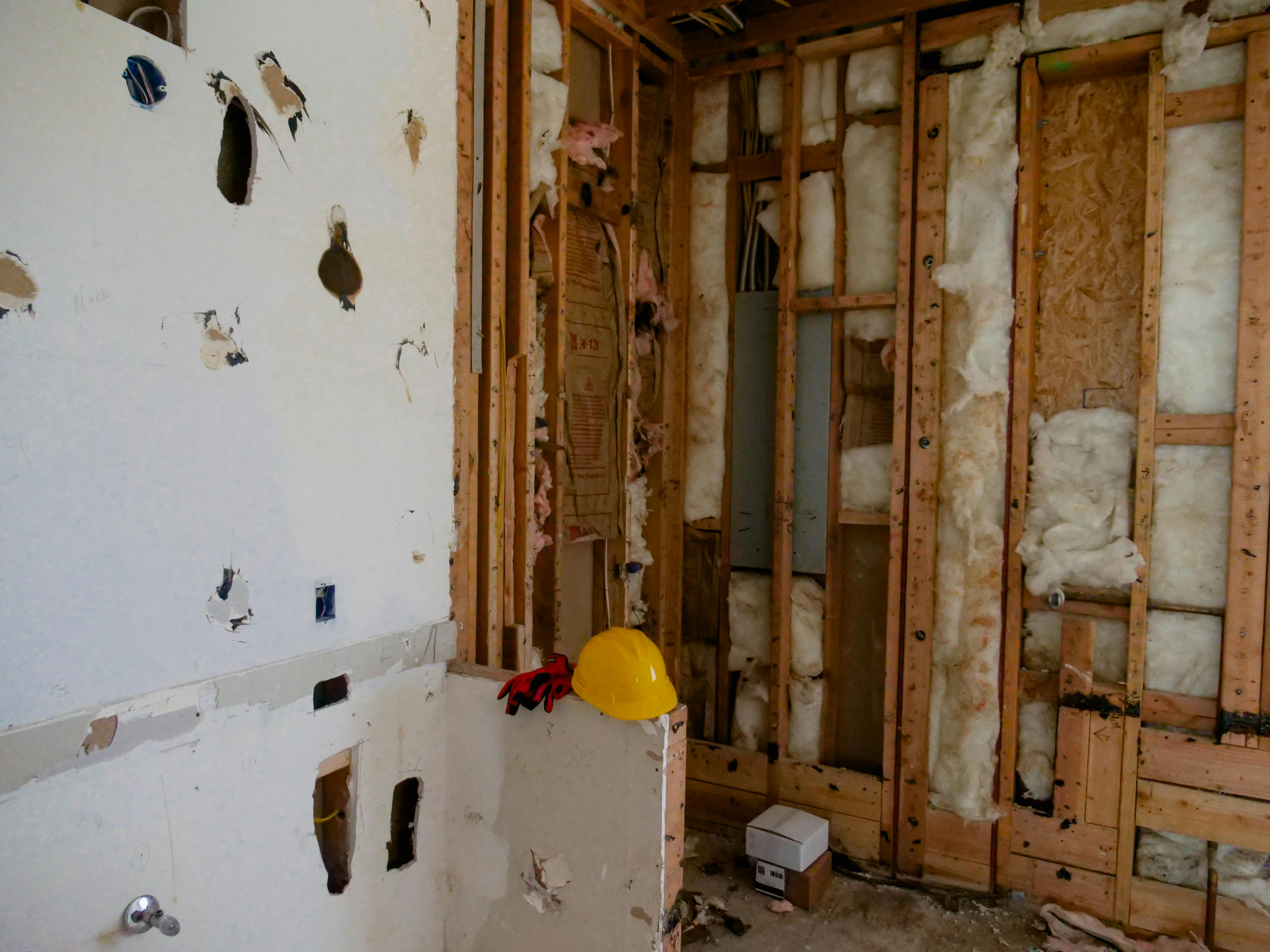
A repair scope is drawn around a specific area. It covers removing the damaged finishes, preparing the surface properly and reinstating tiles or grout to suit what’s already there. A full renovation scope covers the whole room, from taking existing finishes back to the substrate through to new surfaces, and it may involve changes to plumbing connections or electrical fittings.
Matching existing tiles can be difficult, and every repair stops at a boundary. If the surrounding surfaces are near the end of their life, weigh that up before you commit.
Removing everything gives you a clean start and allows proper surface preparation across the whole room. It also exposes more of what was hidden.
Pricing depends on the individual project. Whichever path you choose, concealed damage, substrate deterioration, layout changes and other conditions may affect the final scope and cost. Quotes are prepared for your room and discussed with you directly. Where plumbing or electrical work is needed, I coordinate with appropriately licensed specialists rather than doing it myself. You can read more in Costs & Scope and Coordination with Licensed Specialists.
BEFORE YOU DECIDE
✓ Where is the damage, and is it in one spot or several?
✓ Do any tiles sound hollow, or does any part of the floor feel soft?
✓ Does the current layout still work for your household?
✓ Is the room dated, damaged, or both?